
01 / Credential exposure monitoring
The Credential You Forgot Is Still on the Internet
The credential you forgot is still part of your attack surface.
Read article →TUT1 Research & Advisory
Technical advisor insights on attack-surface mapping, identity exposure, digital risk, TLS posture, phishing infrastructure, and remediation accountability.
30 Insights
The credential you forgot is still part of your attack surface.
Read article →
Attackers do not always need to break in. Sometimes they authenticate.
Read article →
Your CMDB describes intent. The internet describes reality.
Read article →
Shadow IT rarely arrives with a ticket. It appears as a DNS record, a certificate, a cloud endpoint, or a login page no central team recognizes.
Read article →
Subdomain enumeration sounds tactical. Its consequences are strategic.
Read article →
An open port is not automatically a vulnerability. It is evidence that a service is reachable—and a reason to ask better questions.
Read article →
The most dangerous asset is not always the newest one. It is often the service everyone assumed had already been retired.
Read article →
Credential exposure intelligence is valuable precisely because it should never be used to access an account.
Read article →
Expired certificates are usually discussed as availability issues. They are also ownership signals.
Read article →
A lookalike domain is not automatically a phishing campaign. But it is a signal that deserves time, evidence, and a clear triage path.
Read article →
Customers do not experience a breach as a supplier-management problem. They experience it as your problem.
Read article →
An acquisition adds more than people, products, and revenue. It adds an attack surface.
Read article →
A CVE signal is a reason to investigate. It is not, by itself, a confirmed business risk.
Read article →
Vulnerability management asks, “What is wrong with the assets we know?”
Read article →
Security teams have excellent internal telemetry. Attackers begin elsewhere.
Read article →
Dark-web intelligence can be useful. It can also overwhelm a team with stale, duplicated, unverifiable, or irrelevant data.
Read article →
When everything looks exposed, nothing gets prioritized.
Read article →
Geolocation is not a risk score. It is context.
Read article →
One exposure signal does not justify one universal response.
Read article →
Not every lookalike domain is malicious. Waiting until it is malicious is not a strategy.
Read article →
A point-in-time assessment answers, “What was exposed then?” Continuous monitoring answers, “What changed since?”
Read article →
Penetration testing answers whether an authorized team can validate exploitable paths at a point in time. External attack surface management answers what is externally visible, changing, and potentially unaccounted for between those tests.
Read article →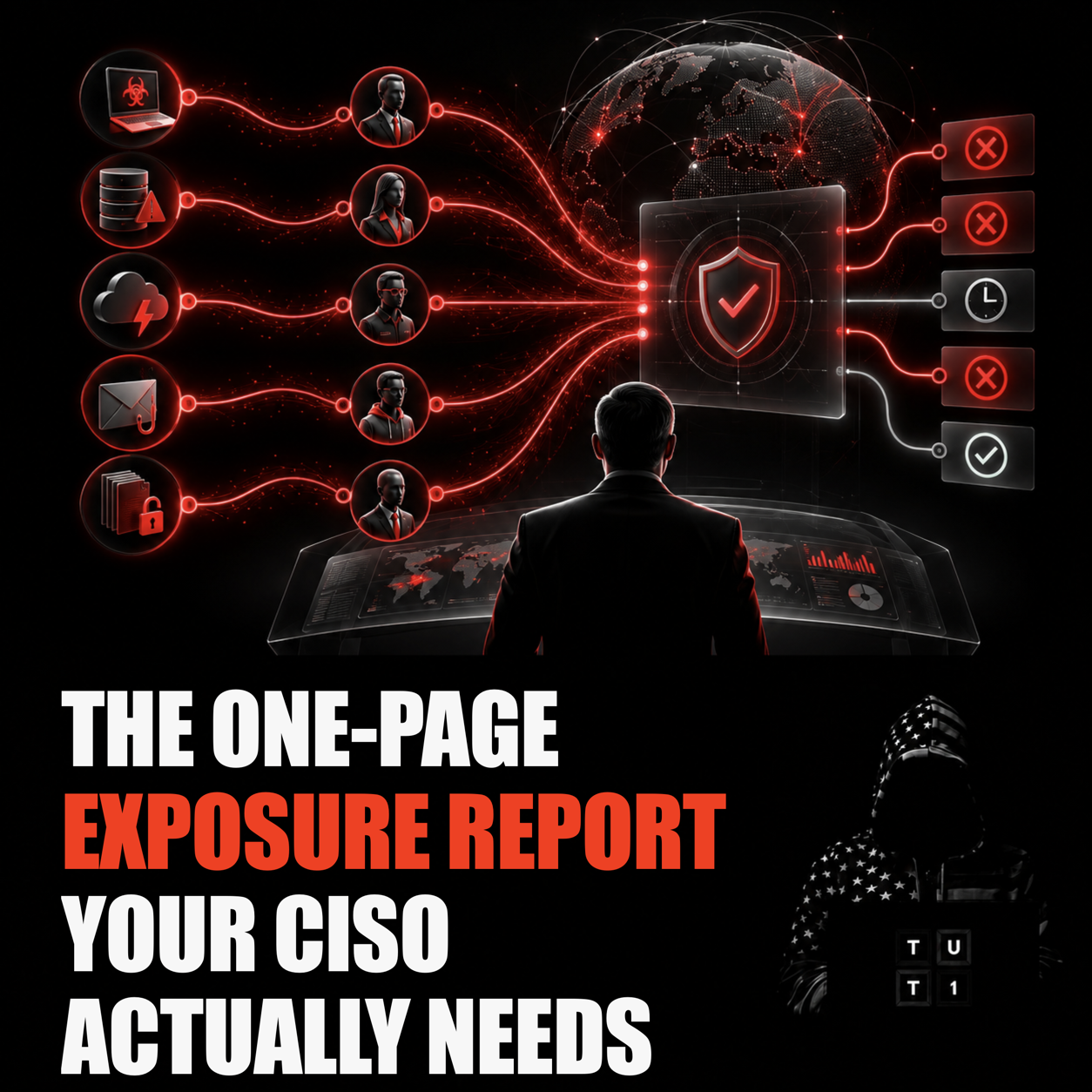
A CISO does not need every hostname. A CISO needs decisions.
Read article →
If you have 30 minutes, do not start by reading every finding. Start by asking the highest-leverage questions.
Read article →
Unknown ownership is not an administrative inconvenience. It is a control failure.
Read article →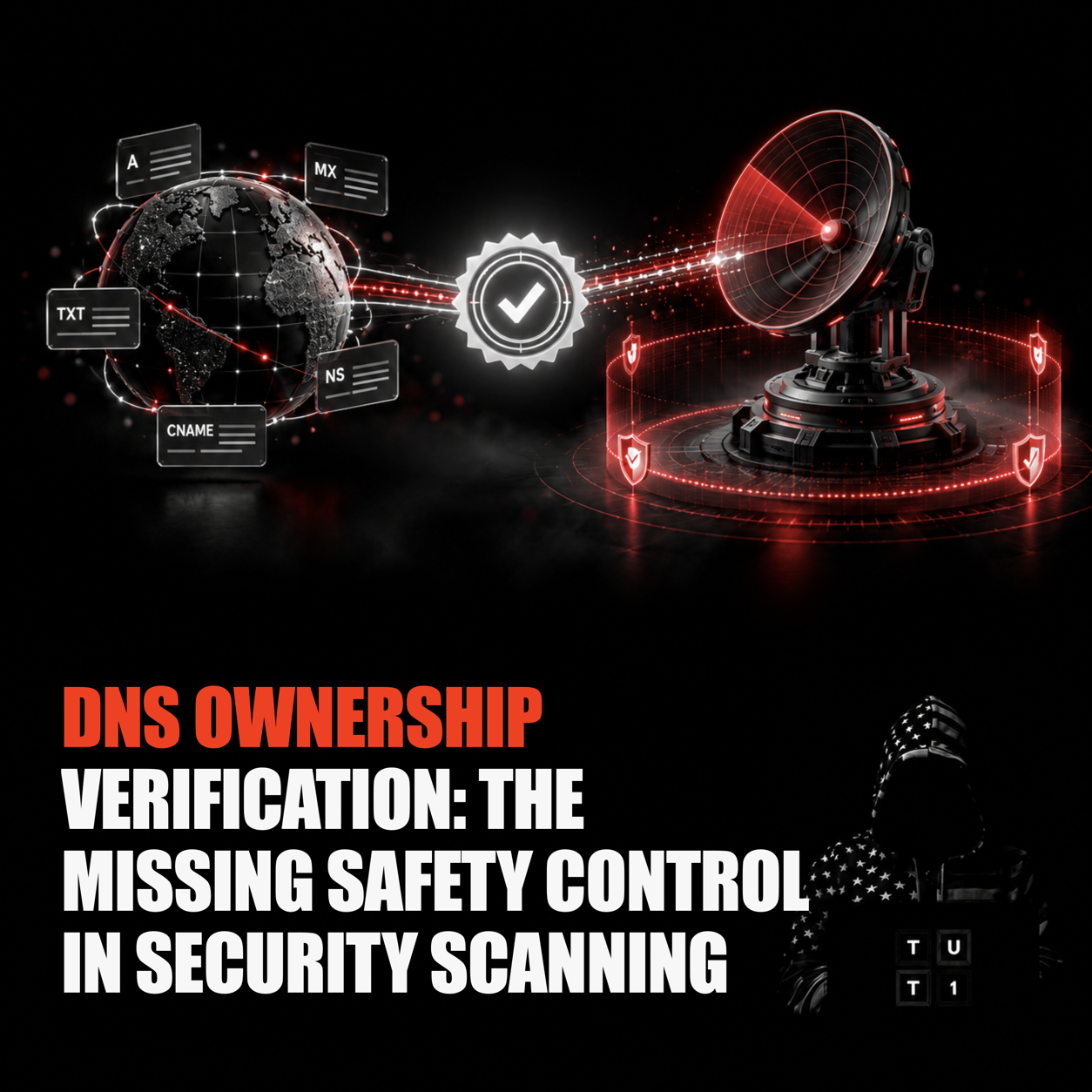
Security scanning should begin with authorization—not assumption.
Read article →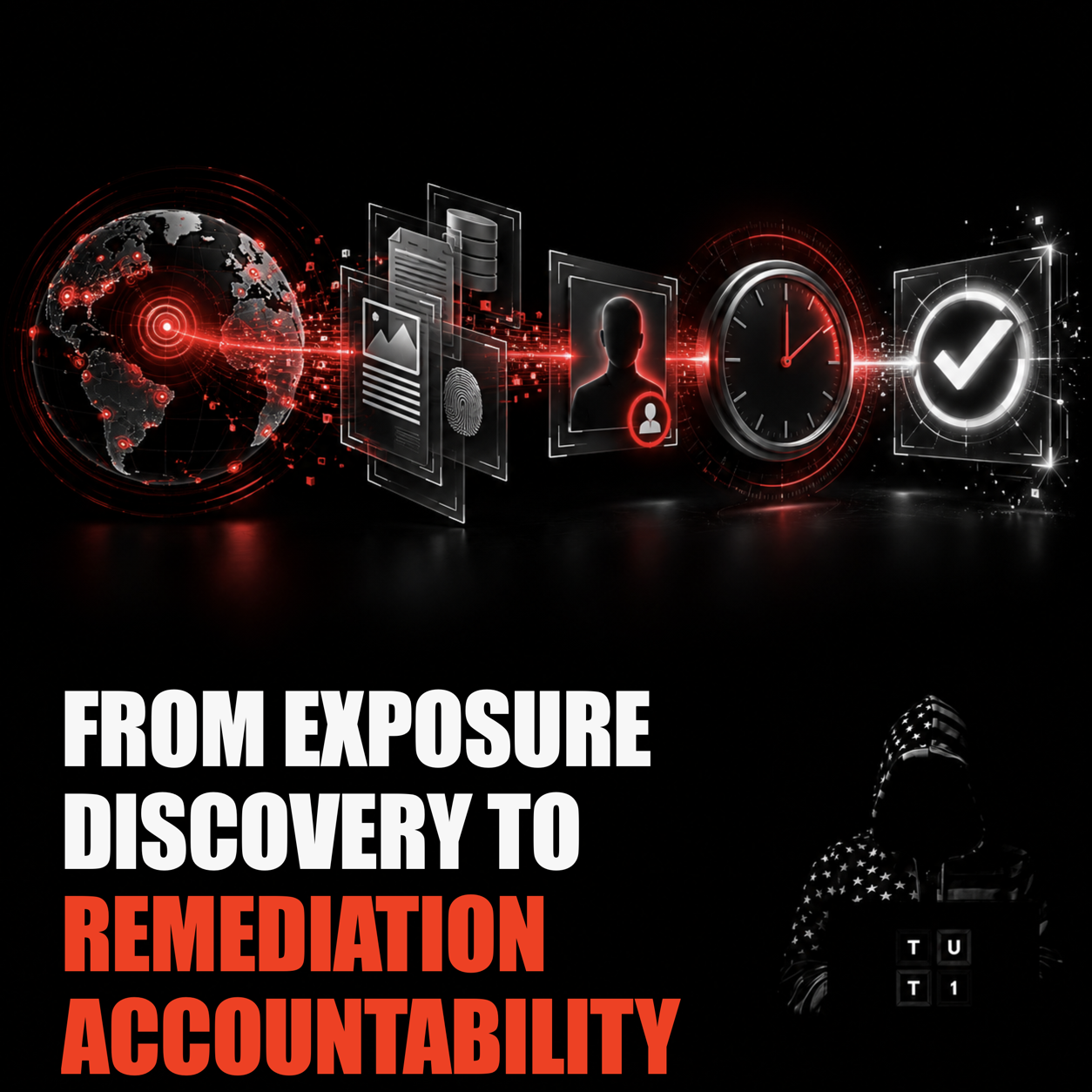
Discovery without ownership creates a more elegant backlog.
Read article →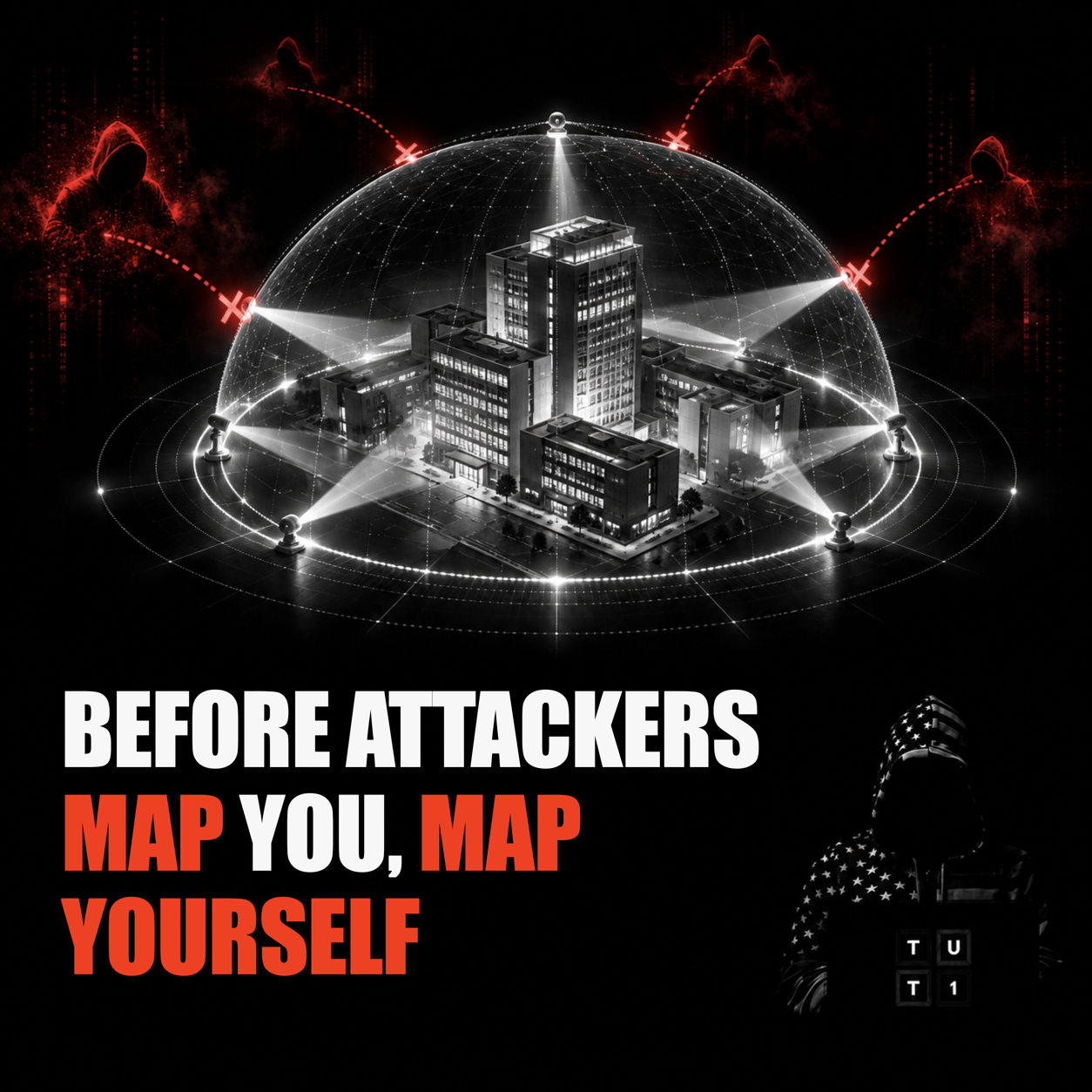
Attackers do not begin with your organizational chart. They begin with your public evidence.
Read article →
A certificate can reveal a hostname before that hostname appears in an internal conversation.
Read article →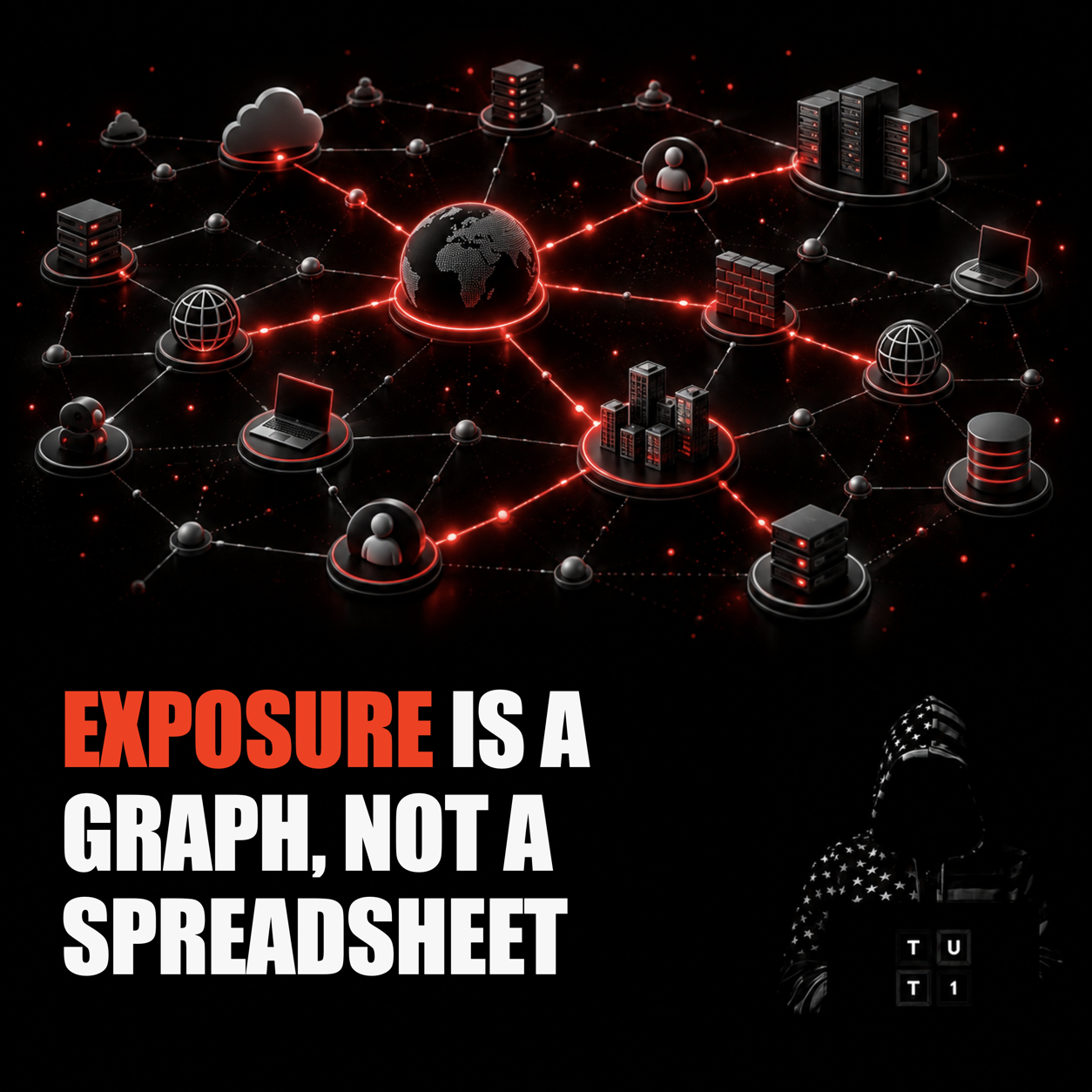
Spreadsheets list assets. Security decisions depend on relationships.
Read article →