How to Prioritize 1,000 Internet-Facing Assets
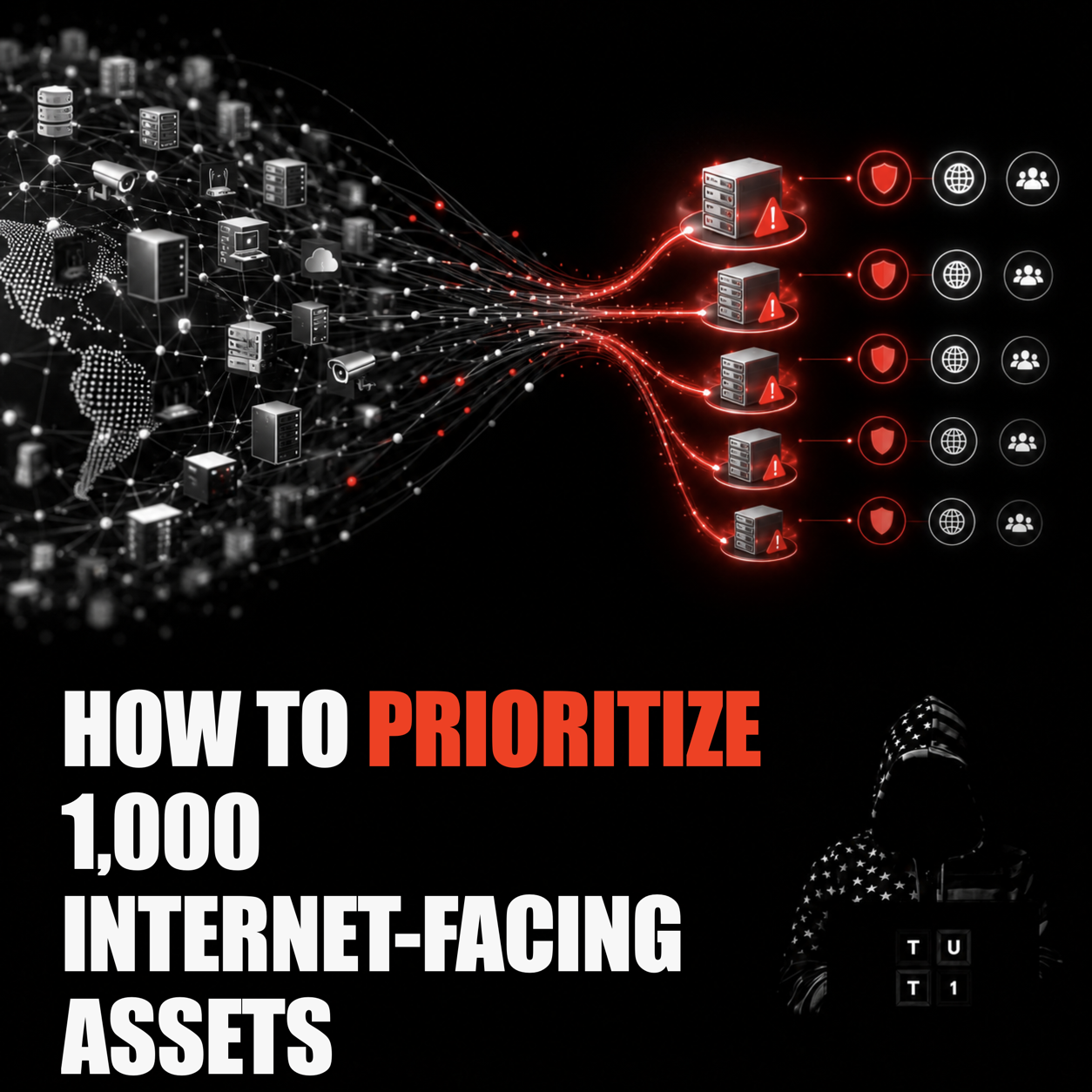
When everything looks exposed, nothing gets prioritized.
Start with a simple evidence model. Rank assets by: business criticality, public reachability, service sensitivity, exploitability signals, authentication strength, data exposure, change velocity, and confidence in ownership.
This shifts the conversation away from raw counts. A customer login path with weak authentication and no owner deserves immediate attention. A known, protected static site may not. The point is not to ignore lower-risk assets; it is to sequence work based on defensible impact.
Then add cadence. New domains, new certificates, changed DNS, and newly reachable services should increase attention because change is where assumptions fail.
Prioritization is not a spreadsheet exercise. It is a statement about what you will defend first.
TUT1 gives teams the external evidence—assets, services, certificates, CVE signals, and ownership gaps—needed to prioritize attack-surface remediation with confidence.
Primary topic · attack surface prioritization